
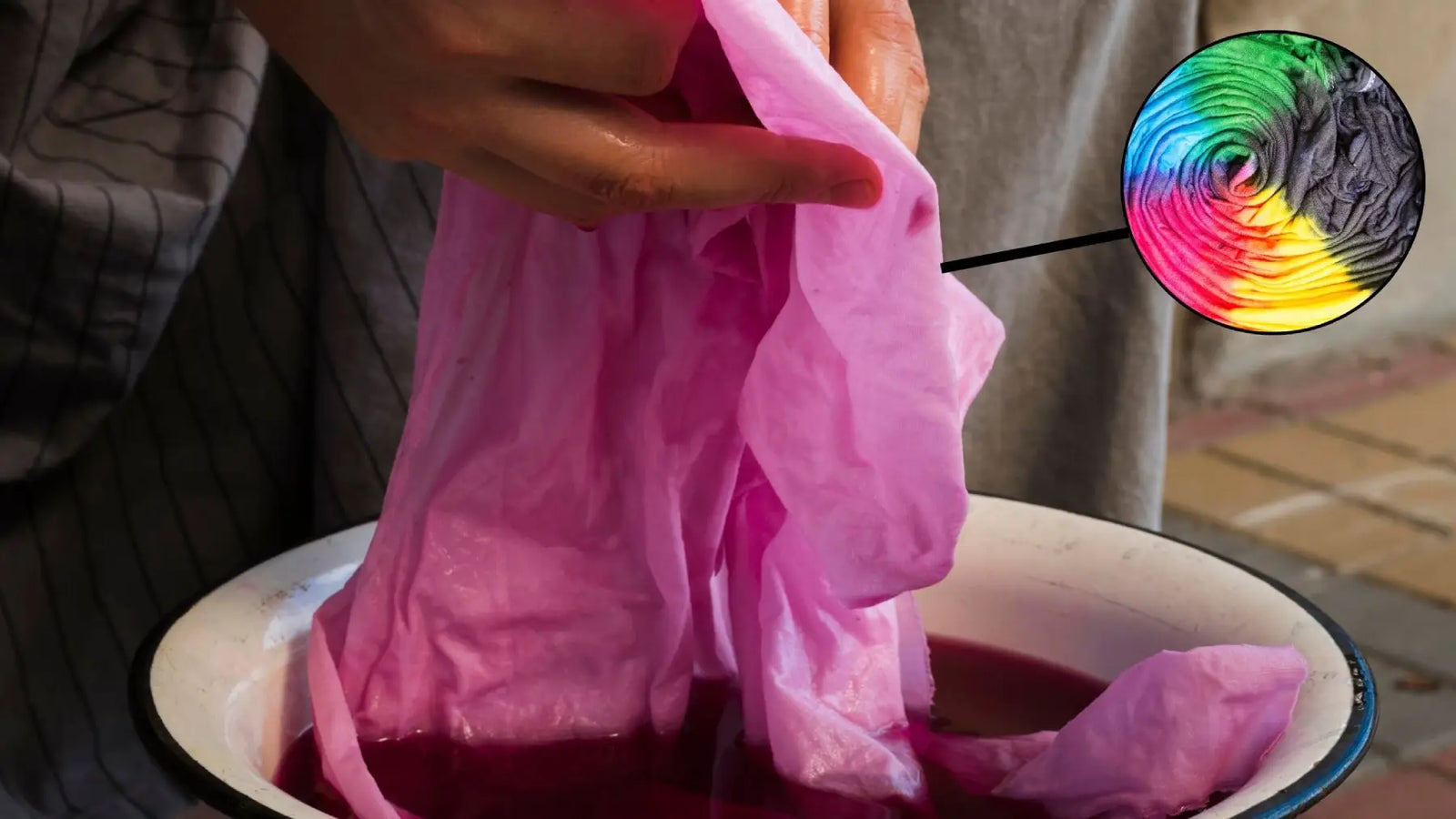
Ever looked at an old shirt and thought, “Hmm, this could use a little life”? That’s exactly why knowing how to dye clothes is such a lifesaver. It’s not just about color, it’s about giving your wardrobe a fresh vibe. With the right fabric dye, a splash of patience, and a little bit of curiosity, you can turn tired garments into bold, fun pieces.
Picking the Right Fabric Dye
Step one in dyeing fabric is picking the right dye for your material. Cotton, linen, and silk soak up color beautifully, while polyester and other synthetics need special dyes. Don’t use the wrong type; it won’t stick, and you’ll be frustrated.
For classic results, a black dye for clothes gives deep, even coverage. Dark shades can take a little extra love; you will need two or three rounds to get that perfect tone. And always pre-wash your clothes. Trust me, residues and fabric softeners can stop dye from sticking.
Prepping Your Clothes for Dyeing

Before learning how to dye, get your clothes ready. Start with clean, damp garments; damp fibers absorb color more evenly.
Protect your space. Spoiler alert: dye is sneaky. Gloves, old towels, and a plastic basin will save you from accidental stains.
If you want tie-dye or ombre effects, fold, twist, or clamp your fabric before adding dye. Solid colors are simpler, but stirring often helps get an even finish. Small details now make a huge difference later, trust me, it’s worth it.
You might be interested in:Best Sellers, Maxi Dress,Tops - Spring Summer
How to Dye Clothes at Home?

Here’s the no-nonsense version of how to dye clothes:
- Fill a pot or container with water at the right temperature for your dye.
- Dissolve the dye completely if it’s powdered.
- Submerge your clothes and stir often so the color spreads evenly.
- Check the shade frequently; wet fabric looks darker than dry.
- Rinse until the water runs clear.
Quick Tips for Even Color
|
Tip |
Why it Matters |
|
Stir regularly |
Stops streaks and blotches |
|
Correct water temp |
Helps fibers absorb dye fully |
|
Don’t overcrowd |
Ensures even color |
|
Rinse thoroughly |
Prevents excess dye from bleeding later |
Following these steps, you’ll master how to color clothes without patchy results.
Keeping Dyed Clothes Vibrant
After learning how to dye the clothes, it’s about making the color last. Rinse in cold water and use mild detergent for the first few washes. A color fixative works wonders for bright reds, blues, and blacks.
You can also explore: Best Party Clothes Ideas
Getting Creative with Dye
Once you have nailed the basics of dyeing clothes, you can get playful. Ombre, tie-dye, reverse-dye, it is all fair game. Use rubber bands, clamps, or wax for resist patterns. Even a subtle gradient on a t-shirt or jeans makes it look designer-level.
Dyeing isn’t just practical, it’s art. You can express style, creativity, and even mood, all without buying new clothes.
Common Pitfalls to Avoid
Even pros slip up when learning how to dye garments. Here’s what to watch out for:
- Wrong water temperature (dye won’t take).
- Wrong fiber type (synthetics may resist).
- Overcrowded dye bath (results in uneven color).
- Skipping pre-wash (residues repel dye).
Avoid these, and your DIY dyed clothes will look polished every time.
You can also read: How to Shrink Clothes?
Conclusion
Ready to give your wardrobe a splash of personality?
Explore Debras Passion Boutique expert dyeing guides and learn how to dye clothes for every fabric, so you can refresh, reimagine, and fall in love with your wardrobe again.
People Also Ask
Which clothes cannot be dyed?
Polyester, nylon, and acrylic are hard to dye without special products. Water-repellent or synthetic blends may resist color. Natural fabrics dye best.
Can you permanently dye clothes?
Yes. With quality dye, proper prep, and a color fixative, dyed clothes can stay vibrant for many washes, especially darker shades.
How long do clothes sit in Rit Dye?
Usually 30–60 minutes, depending on color depth. Stir often for even coverage. Dark shades may need longer or repeated dips.
What fabric is hardest to dye?
Synthetics like polyester, acrylic, and nylon are the hardest. Cotton, linen, and silk, absorb dye much more easily.
Is dyeing clothes a good idea?
Yes! It refreshes old clothes, saves money, reduces waste, and lets you create unique, personalized pieces.